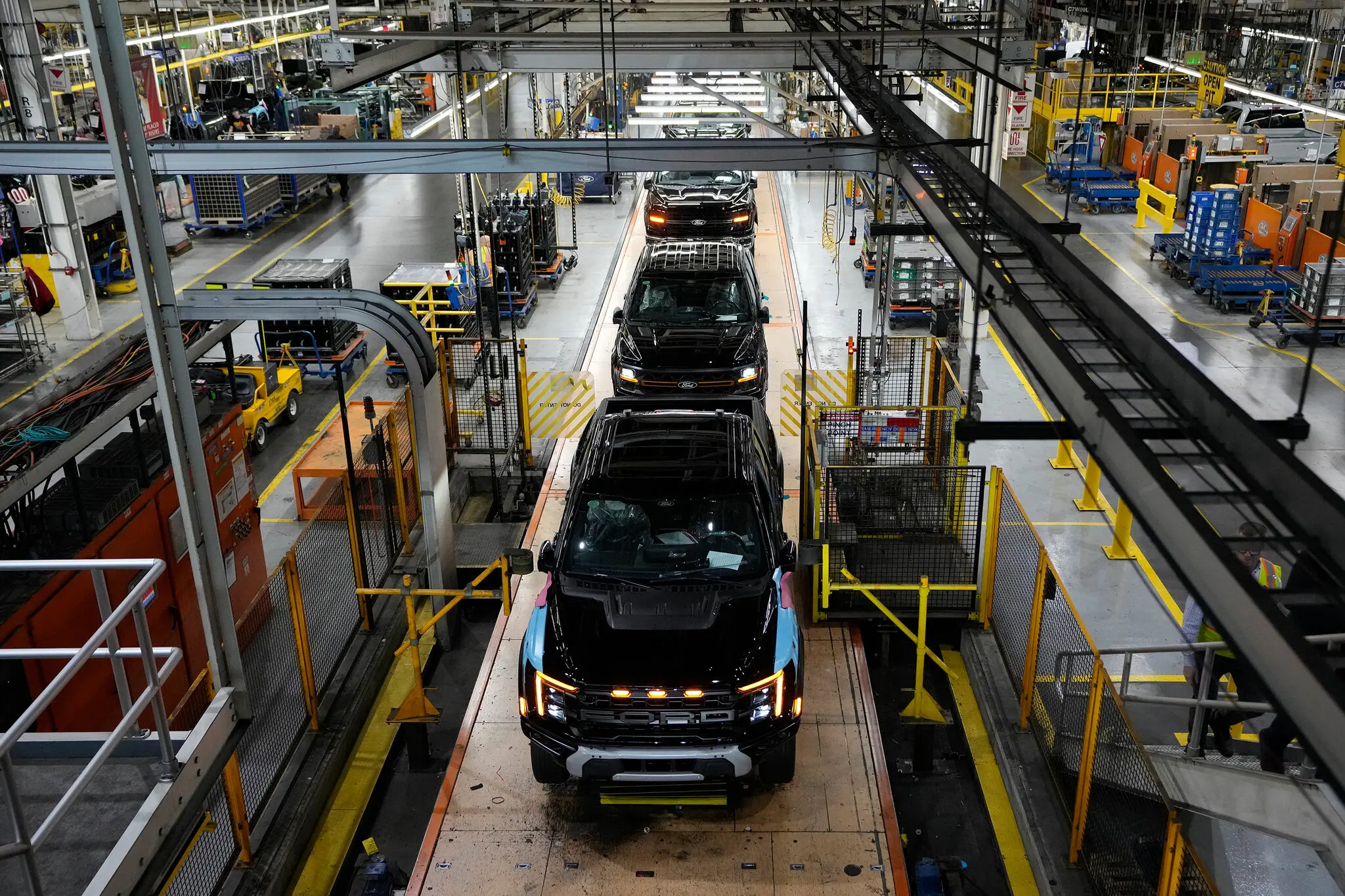
A plumber with three vans does not shop the way a family shops for an SUV. He cares about monthly payment, fuel burn, repair time, shelving space, driver habits, and whether a truck can be back on the road Monday morning. That is why Business Fleet Sales matter so much for Ford. The profit is not locked inside one truck sale. It sits in the long relationship after the keys change hands. Ford’s commercial edge comes from treating fleet buyers as operators, not casual drivers. Through Ford Pro, the company connects vehicles, service, charging, software, and financing into one business account instead of a one-time showroom deal. Ford Pro produced more than $66 billion in 2025 revenue and $6.8 billion in EBIT, with a 10.3% margin, which shows why this side of Ford deserves close study. For small business owners, dealers, and fleet managers in the USA, the real lesson is simple: profit grows when the vehicle becomes part of a working system.
Why Business Fleet Sales Became Ford’s Stronger Profit Engine
Ford’s retail buyer may replace a vehicle every five, seven, or ten years. A fleet buyer thinks in cycles. Trucks age, vans rack up miles, drivers change, contracts expand, and work routes shift. That creates repeat demand. The tension is that fleet customers often expect sharper pricing because they buy more units. Ford’s answer is not to treat the discount as a loss. It earns money by staying attached to the customer’s daily operation.
Fleet buyers judge trucks by uptime, not showroom excitement
A roofing company in Texas may buy Super Duty pickups because the trucks can carry crews, ladders, trailers, and materials. The owner is not paying for a lifestyle image. He is paying for fewer lost workdays. One breakdown can delay a job, upset a customer, and force overtime.
That changes the sales pitch. A dealer selling into a fleet account has to explain payload, towing, body options, service access, warranties, financing, and trade-in timing. The buyer wants math that feels boring at first.
Boring makes money here.
The non-obvious part is that a lower vehicle price can still lead to a stronger account. If Ford wins the first five trucks for a landscaping company, it may later win service work, replacement units, telematics subscriptions, and financing. The first sale opens the gate.
Ford Pro turns the customer into a long-term account
Ford Pro gives commercial customers one place for vehicles, telematics, charging, service, and financing support. Its own commercial pages present the offer around vehicle health data, tracking, driver behavior, and EV charging help rather than only model shopping.
That is the center of the model. Commercial fleet vehicles create repeat points of contact. A retail buyer may disappear after purchase. A fleet manager keeps coming back because the vehicles are tied to payroll, delivery routes, fuel spend, and customer deadlines.
Think about a medical supply distributor in Ohio with twenty Transit vans. The owner wants the vans moving, not sitting. If Ford can help track maintenance needs and plan replacement timing, the customer has less reason to shop around each cycle. Loyalty is not built from a slogan. It is built from fewer headaches.
The harder truth is that Ford does not need every fleet customer to buy the most expensive truck. It needs the customer to stay inside the Ford system. That is where the profit stacks up.
The Profit Is Hidden in the Work After the Vehicle Sale
Fleet sales can look thin from the outside because buyers often negotiate hard. Rental companies, utility contractors, city departments, and delivery firms know their numbers. They push for price, delivery timing, and service terms. Yet Ford’s commercial model works because the sale is only the first layer. The better question is what happens over the life of the vehicle.
Software makes fleet management costs easier to see
Most small businesses do not lose money in one dramatic moment. They leak it. A driver idles too long. A van burns fuel because routes are messy. Tires wear early. A repair warning gets ignored until the truck stops on a job site.
Telematics puts numbers on those leaks. Ford Pro has been building this part of the business hard. In the first quarter of 2025, Ford said its connected commercial vehicles had grown more than 40% since 2023, with more than 5 million in operation, and Ford Pro Intelligence had about 674,000 active subscriptions.
That matters because software revenue can be steadier than vehicle revenue. A contractor may not buy new vans every year, but the same contractor may pay for tools that help manage drivers, charging, maintenance, and use patterns. The vehicle becomes the base. The data service becomes the thread that keeps the customer close.
For a small HVAC company in Florida, one avoided service delay may be worth more than a month of software cost. The owner does not care about fancy dashboards. He cares about knowing which van needs attention before summer calls pile up.
Service and parts protect the margin after discounts
A fleet discount can scare people who only see the invoice. Ford can sell a truck at a tighter front-end margin and still build value through service lanes, parts, accessories, upfits, and future replacement orders. That is why fleet dealers often act more like account managers than car salespeople.
A city parks department may need pickups, dump bodies, utility beds, maintenance support, and predictable replacement plans. A food delivery business may need vans, driver tracking, and quick service scheduling. These needs do not end at delivery.
The counterintuitive lesson is that the “cheap” fleet deal may be one of the stickiest deals. Once vehicles, service records, driver data, and replacement timing sit with one brand and dealer network, switching becomes a job by itself. Nobody wants to rebuild the system unless the pain is high.
This also explains why small business cash flow planning belongs in any fleet buying decision. The payment is only one line. Downtime, service access, resale value, insurance, and driver habits all shape the real cost.
How Ford Designs Vehicles Around Commercial Use
A fleet strategy fails if the product cannot handle the work. Ford’s advantage starts with nameplates that already carry trust in American job sites: F-Series trucks, Super Duty pickups, Transit vans, chassis cabs, and police and government units. The tension is that commercial buyers are harder to impress. They do not reward pretty claims for long. They reward fit.
The lineup covers trades, delivery, government, and rental demand
A contractor who pulls a trailer needs a different vehicle from a bakery that makes early-morning deliveries. A county fleet needs different specs from an airport shuttle operator. Ford benefits because its commercial lineup can serve many of those needs without forcing every buyer into the same platform.
In 2025, Ford said U.S. Transit vans reached record volume and Super Duty pickups had their best volume year since 2004, helped by commercial demand. That is not a small footnote. Vans and heavy-duty pickups sit close to the center of American work.
The smart part is not only having the models. It is having them in work-ready forms. A plumbing van needs bins. A telecom truck needs racks. A towing company needs capacity. A mobile pet grooming business may need power, climate control, and interior changes.
Commercial fleet vehicles win when they feel made for the job before the owner adds the logo on the door.
Hybrids and EVs work only when the route fits
Ford has pushed electric commercial options, but the fleet world is not moved by hype for long. EVs can make sense for depot-based routes, local delivery, and predictable daily mileage. They can make less sense for towing-heavy rural work, long-distance routes, or businesses without charging control.
That is why a mixed approach is often smarter. Some fleets need gas trucks. Some need hybrids. Some can move parts of the fleet to electric vans. The best choice depends on route length, charging access, payload, weather, and downtime risk.
The Department of Energy’s Alternative Fuels Data Center offers tools and information for fleets weighing alternative fuels, advanced vehicles, incentives, and station access. A fleet owner should use that kind of source before buying into any single fuel story.
Here is the quiet insight: the most profitable fleet sale is not always the most advanced vehicle. It is the vehicle that fits the route so well that the customer comes back without needing to be chased.
What Small Businesses Can Learn From Ford’s Fleet Playbook
Ford’s strategy is useful even if you never sell trucks. The lesson applies to any company selling to business customers. A one-time product sale is weaker than a system that keeps solving the customer’s daily problem. Ford does not make its commercial profit only by moving metal. It builds reasons for the buyer to stay.
Sell the operating outcome, not only the product
A bakery buying a van is not buying a van. It is buying fresh bread delivered before 7 a.m. A mobile mechanic buying a pickup is buying reachable customers, tools on hand, and fewer missed jobs. A cleaning company buying ten vehicles is buying driver coverage and route control.
This is where Ford’s model gives small businesses a clear signal. Do not sell the object alone. Sell the operating result. A software company should not sell logins. It should sell fewer billing errors. A supplier should not sell boxes. It should sell fewer stockouts.
Ford Pro services follow this same logic. The offer surrounds the fleet manager’s workday: vehicle health, tracking, charging, service, and financing. When customers feel that the seller understands their pressure, price matters, but it no longer stands alone.
A dealer who can say, “Here is how this van lowers your missed appointments,” is stronger than one who says, “Here is the monthly payment.”
Build repeat contact before the customer has a new need
Most businesses wait too long to reappear. They sell, send a thank-you note, then vanish until renewal. Ford’s fleet model points the other way. Stay useful during the ownership period. Help the customer run better before the next purchase comes due.
A small commercial insurance agency can do this with annual risk reviews. A bookkeeping firm can do it with monthly cash alerts. A web design agency can do it with conversion tracking after launch. The form changes, but the logic stays the same.
The non-obvious part is that helpful contact can reduce sales pressure. When you already helped a customer lower fleet management costs, the next sales call feels less like a pitch. It feels like the next step.
That is why commercial vehicle tax planning should sit near fleet strategy for many U.S. operators. Buying time, depreciation, financing terms, and vehicle use can affect cash flow. The truck is a business asset before it is a parked machine.
Conclusion
Ford’s commercial strength comes from a plain idea that many companies forget: business buyers do not want products as much as they want fewer interruptions. A van that starts every morning, a truck that tows without drama, a dashboard that flags waste, and a service plan that gets work moving again all carry value. The sale is the doorway, not the whole house. Business Fleet Sales become profitable when Ford keeps earning after delivery through service, software, financing, replacement cycles, and trust. That model is not magic, and it is not reserved for giant companies. Any U.S. business can borrow the thinking. Know the customer’s workday. Attach your offer to a painful operating problem. Stay useful between purchases. When your product becomes part of how customers make money, they stop treating you like another vendor. Build that kind of relationship, and the next sale gets easier before the customer even asks for a quote.
Frequently Asked Questions
How does Ford make money from fleet sales?
Ford earns from the initial vehicle sale, then from service, parts, financing, software, charging support, upfits, and replacement cycles. The model works because fleet customers keep operating the vehicles every day, which creates repeat needs long after delivery.
Is Ford Pro only for large companies?
No. Ford Pro serves many fleet sizes, including small businesses that run a few vans or trucks. A local contractor, delivery firm, cleaning company, or service business can use fleet tools if vehicle uptime affects revenue.
Why do businesses choose Ford for commercial vehicles?
Many U.S. businesses choose Ford because its trucks and vans fit common work needs such as towing, delivery, trades, government use, and field service. The dealer network and service support also matter when downtime costs money.
Are fleet vehicles cheaper than retail vehicles?
They can be, especially when a company buys several units or has an account agreement. The better deal is not always the lowest sticker price, though. Service terms, financing, resale value, and downtime risk can change the real cost.
What makes a fleet sales strategy profitable?
Profit comes from repeat demand, account loyalty, service work, financing, software subscriptions, and planned replacement cycles. A strong fleet strategy treats each vehicle as part of a longer customer relationship, not a one-time transaction.
Should small businesses buy or lease fleet vehicles?
Leasing can help cash flow and replacement planning, while buying may suit businesses that keep vehicles longer and want ownership value. The better choice depends on mileage, tax planning, repair risk, and how fast the business is growing.
Do electric vans make sense for business fleets?
They can work well for local routes, depot charging, and predictable mileage. They may be weaker for long rural routes, heavy towing, or businesses without charging control. The route should decide the powertrain, not the trend.
How can a company lower fleet management costs?
Track fuel use, idle time, driver behavior, repair history, mileage, insurance claims, and replacement timing. Small leaks become expensive across several vehicles. Better data helps owners fix problems before they turn into downtime.